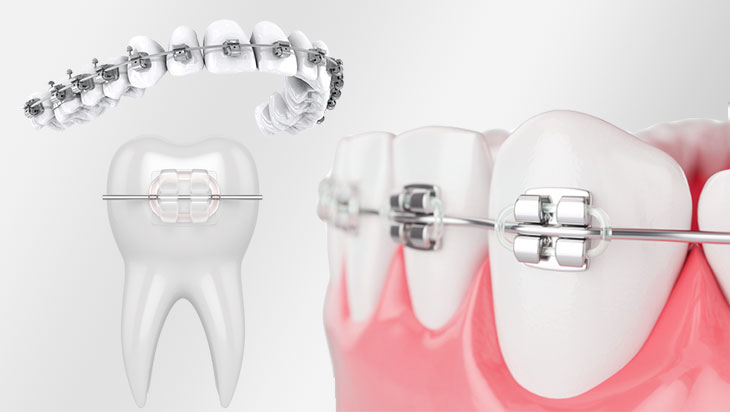
What are Braces?
Dental braces are a widely used orthodontic treatment to align and straighten teeth for improved functionality and appearance. By applying gentle pressure, braces move the teeth into their desired position, resulting in a healthier and more comfortable smile.
The process of wearing braces involves gradual movement of the teeth as the bones in the jaw adapt to the pressure being applied. This can result in significant improvement in oral health over the long term.
Contrary to popular belief, dental braces are not just for children and teenagers. Adults can also benefit from orthodontic treatment and achieve the smile they've always wanted. The most important factor in determining eligibility for braces is not age, but rather whether or not the treatment is suitable for your specific needs and goals.
If you are considering braces, an orthodontic specialist can assess your oral health and determine if you are a good candidate for the treatment.
Types of Braces
- Metal Braces
- Ceramic Braces
- Crystal Clear Braces
- Lingual Braces
- Self Ligating Braces
- Invisible Braces
Traditional braces, also known as conventional or metal braces, are a well-established form of orthodontic treatment for correcting misaligned jaws. Made of durable stainless-steel brackets and a flexible metal archwire, these braces are designed to guide teeth into their proper position. Some metal braces also come with heat-activated archwires for faster movement, and the option to customize with colorful rubber bands. Despite advances in orthodontic technology, metal braces remain a popular choice for people seeking effective jaw alignment correction
Metal braces are made of high-quality stainless-steel brackets and a flexible metal archwire that guides the teeth into proper position. Heat activated archwires are also available for faster movement. Metal braces are also sold with colourful rubber bands that are used to secure the wire.
Ceramic braces, also known as clear braces, are a variation of traditional metal braces. The main difference between ceramic and metal braces is the material used for the brackets. Ceramic braces feature transparent or tooth-colored brackets, which blend in with the natural color of the teeth. The wires and rubber bands used with ceramic braces are also either transparent or tooth-colored, making them less noticeable compared to metal braces. Ceramic braces provide the same effective treatment as metal braces but with a more discreet appearance.
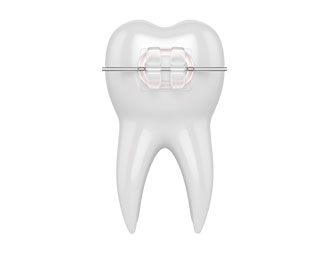
For those who desire straight teeth without altering their appearance, crystal clear brackets are the ideal solution. These brackets are completely transparent and blend in seamlessly with the natural color of the teeth. Unlike ceramic brackets, which are opaque and can be noticeable against certain tooth shades, clear brackets are virtually invisible. As such, they offer the only true cosmetic option for orthodontic treatment, especially for adult patients.

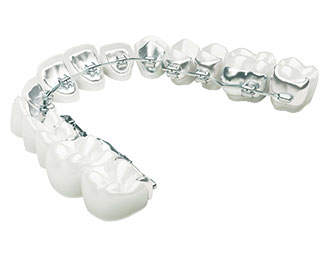
Lingual braces, also known as "incognito" or "hidden" braces, were invented in the 1970s by a team of American and Japanese orthodontists. They resemble traditional metal braces but have the brackets and wires attached to the inside of the teeth, making them invisible to others. While they offer a discreet orthodontic treatment option, lingual braces have not gained widespread use due to their bulkiness and discomfort to the patient in the past. However, with advancements in technology, lingual braces have become more comfortable and just as effective as other forms of braces.
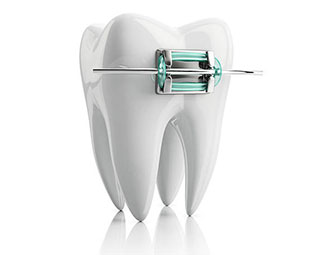
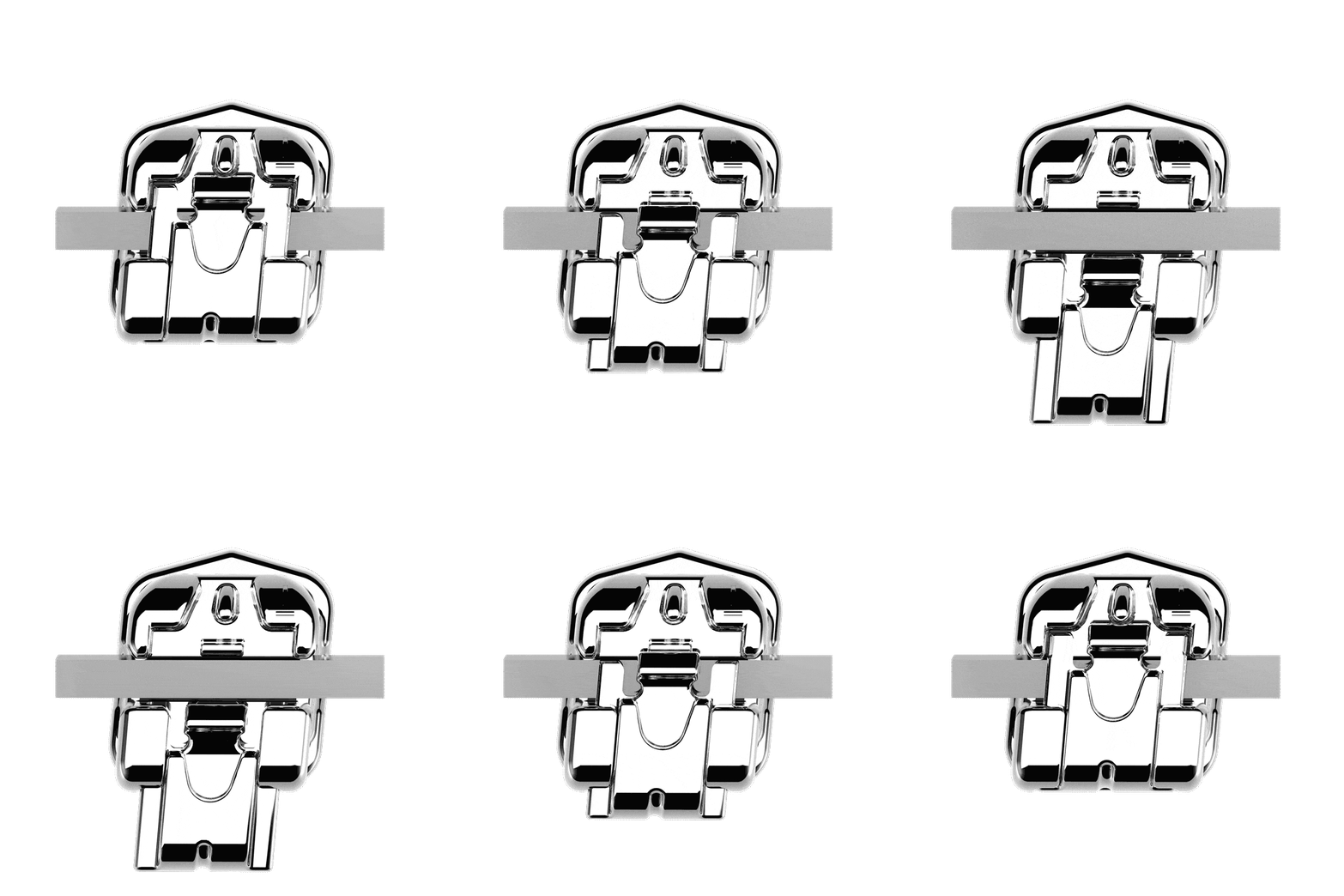
Self-ligating braces have seen a surge in popularity in recent years. These braces are similar to metal and ceramic braces and consist of a bracket and wire system. However, they differ in that they do not use rubber bands but instead have a sliding bracket mechanism with "doors" or "clips" that attach to the wire. This design results in less friction and discomfort compared to traditional metal or ceramic braces. Additionally, self-ligating braces come in a range of metal and ceramic colors.
Invisible braces, or clear aligners, are a type of orthodontic treatment that are designed to be nearly invisible. They are made of clear, transparent plastic and are custom-fitted to the patient's teeth. To create the aligners, orthodontists use advanced technology like x-rays, scans, and mouth photos to create a 3D model of the patient's mouth. This allows them to create personalized aligners that fit the patient's teeth precisely. The aligners work by gradually shifting the teeth into their proper position, and the patient typically visits the orthodontist regularly to monitor their progress.

Aligners
Aligners work by applying gentle pressure to the teeth and gently moving them into the desired position. The aligners are made of a thin, clear plastic material that fits snugly over your teeth, making them almost invisible. You will need to wear each set of aligners for about two weeks before switching to the next set in the series. This gradual process continues until you reach your desired tooth alignment.
At what circumstances do I need Aligners treatment?
It's important to wear the aligners for at least 20 to 22 hours a day to ensure that they are effective. You can remove the aligners when eating, drinking, brushing, and flossing. Your orthodontist will monitor your progress regularly and make any necessary adjustments to your treatment plan as needed.
Overall, aligners are a convenient and comfortable option for those looking for a discreet way to straighten their teeth. They are also a great choice for those who are looking for a removable alternative to traditional braces.
How does aligners work?
You will wear each set of aligners for about two weeks before switching to the next set. The aligners work by applying gentle pressure to your teeth, gradually moving them into the desired position. The process is controlled and precise, and your dentist will be able to monitor your progress and make any necessary adjustments throughout the treatment process.
How long does the Aligner's treatment take to complete?
It's important to note that the length of treatment with aligners can vary from person to person and depends on the specific orthodontic issues being addressed. Your orthodontist will be able to give you a more accurate estimate of the treatment time during your initial consultation.
It's also important to wear the aligners as directed by your orthodontist and to attend all regularly scheduled appointments. Proper use of the aligners and close monitoring by your orthodontist will help ensure that you achieve the best possible results in the shortest amount of time.
Does the Aligner treatment cause pain?
While aligners are generally considered to be less uncomfortable than traditional braces, some people may still experience discomfort when switching to a new aligner or during the first few days of treatment. This is normal and usually subsides quickly. If you experience discomfort that lasts for an extended period of time, it is important to speak with your orthodontist to determine the cause and address any issues. In general, aligners are well-tolerated by most patients, and the vast majority of patients report only mild discomfort during treatment.
Difference between Braces and Aligners
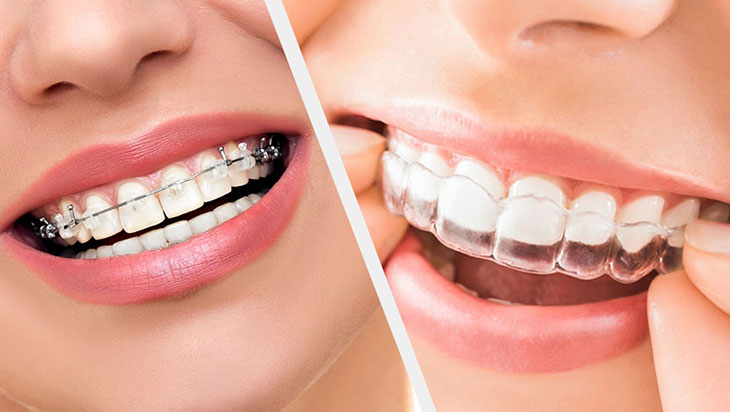
| Braces | Aligners (Invisalign) |
|---|---|
| Metal Brackets and wire | Invisible Splints |
| Fixed | Removable |
| Highly Visible | Virtually Invisible |
| Semi Aesthetic | Looks Natural |
| Alters Speech | Doesn’t affect Speech |
| Mouth Ulcers | No Ulcers |
| Monthly Visits | No Monthly Visits |
| Difficult to Maintain | Easy to Maintain |