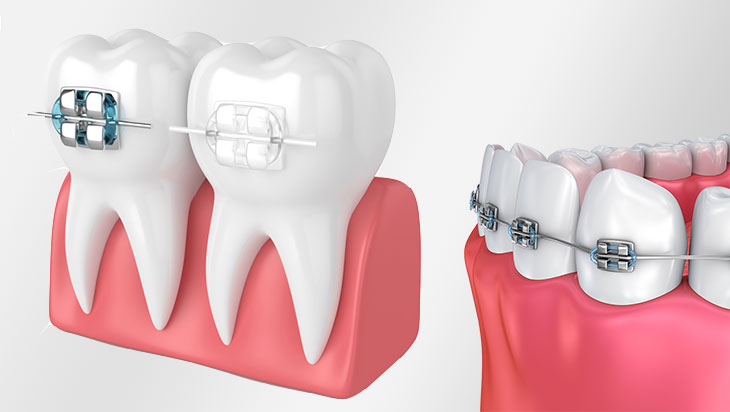
Orthodontics
Orthodontics involves the use of braces, aligners, retainers, and other appliances to straighten teeth, correct bites, and improve overall oral health. It is a specialized field of dentistry that requires additional training and education after dental school. Orthodontists use a variety of techniques and technologies to correct a range of dental issues, including overcrowding, underbites, overbites, crossbites, open bites, and misaligned jaws. The goal of orthodontic treatment is to improve the appearance, health, and function of the teeth and jaws, and to create a beautiful, confident smile.
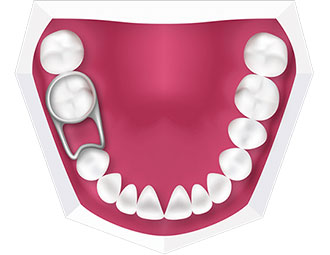
Interceptive orthodontics is the type of preventive orthodontic treatment that aims to correct orthodontic problems in the early stages, when they are still manageable. The goal is to create room for permanent teeth to come in properly aligned, to guide jaw growth, and to correct bite problems.
This type of treatment may involve the use of appliances such as space maintainers, palatal expanders, or orthodontic headgear. Interceptive orthodontics can also make later orthodontic treatment shorter, less complicated, and more effective.
By starting orthodontic treatment early, children can avoid more serious problems and the need for extensive, complex orthodontic treatment later in life.

Addressing orthodontic issues at an earlier stage can be extremely beneficial. Because some issues may not be obvious, it is recommended that you consult with a specialist orthodontist even if you haven't noticed any urgent concerns for your child.
A number of factors indicate that a child may benefit from preventive kids orthodontics. These are some examples:
- Sucking their thumb after the age of five
- Difficulty biting or chewing
- crowded teeth
- Speech impediments
- The child breathes through their mouth
- Their upper and lower teeth do not come together correctly
- The child experiences pain when biting
- The child's jaw shifts when opening or closing their mouth
Benefits of preventive orthodontics:
It is important to note that preventive orthodontic treatment is not just about improving the appearance of a child's smile. Properly aligned teeth are easier to clean and are less prone to tooth decay and gum disease, which can have a long-term impact on overall oral health. By getting orthodontic treatment early, a child can avoid more extensive and expensive dental work down the road, saving time, money and discomfort.
It is important to note that preventive orthodontic treatment is not just about improving the appearance of a child's smile. Properly aligned teeth are easier to clean and are less prone to tooth decay and gum disease, which can have a long-term impact on overall oral health. By getting orthodontic treatment early, a child can avoid more extensive and expensive dental work down the road, saving time, money and discomfort.
Make an appointment at Clipon Dental Clinic in Anna Nagar today to keep your child on track for a beautiful smile and a healthy adulthood!
Interceptive Orthodontics is a two-phase dental treatment that focuses on correcting jaw growth and bite problems at a young age. The first phase of treatment begins around the age of 8 or 9 and aims to correct developmental issues that could lead to more serious problems in the future. The second phase of treatment usually begins when the child is 11 or older and is designed to ensure proper alignment of the permanent teeth as they come in. By addressing these issues early on, extractions can be avoided and the child can be on the path to a beautiful, healthy smile.
Interceptive orthodontics is done for:
- Upper jaw expansion to correct a crossbite.
- Expansion of one or both jaws to make room for crowded teeth.
- Early extraction of baby teeth to allow for proper eruption of permanent teeth.
- Keeping space for permanent teeth after the loss of a baby tooth.
- Lowering the protrusion of the upper incisors to reduce the risk of fracture from trauma.
If your child is between the ages of seven and eight and shows signs of needing orthodontic care, or if your family dentist has advised you to see an orthodontist, please contact our clinic to schedule an appointment.
Our team will perform an initial exam on your child and will discuss with you the best steps to take in caring for his or her smile.
Orthodontic surgery, also known as Corrective Jaw surgery or surgical orthodontics, is a procedure aimed at addressing structural, growth-related, and airway-related issues with the jaw and lower face, including sleep apnea, TMJ Disorder, and malocclusion caused by skeletal imbalance. This type of surgery is performed by an oral and maxillofacial surgeon, who is a specialist in treating complex cases involving the mouth, jaw, face, and skull. If you need orthodontic surgery, your orthodontist will work together with an oral and maxillofacial surgeon to provide you with comprehensive and effective care.
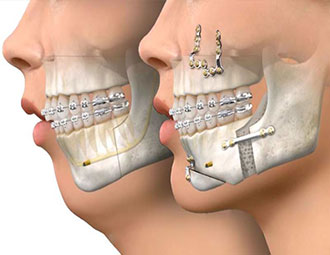
When do I need surgical orthodontics?
If you're an adult and you have concerns about your bite or appearance, you may consider orthodontic surgery. This type of procedure is designed to correct problems with the jaw and face, including issues with growth, structure, airway, and malocclusion. It's important to note that the jaw must have stopped growing before the surgery can be performed. Orthodontic treatment alone may not be effective in these cases, and surgical orthodontics may be necessary to align the jaw and place the teeth in their proper position. The result is a healthy, confident smile that can last for many years to come. Your orthodontist may work with an oral and maxillofacial surgeon to provide the best possible care for your surgical orthodontic needs.
Wearing headgear can be uncomfortable and socially awkward for some patients, but it is an effective way to address orthodontic issues and ensure proper jaw alignment and growth. In addition, the length of time that headgear needs to be worn is dependent on the individual and the severity of their orthodontic problems. The average length of treatment is around 12 to 14 months.
It is important to follow the instructions of your orthodontist and to wear your headgear as directed in order to achieve the best results. Regular check-ups and adjustments are also important to monitor progress and ensure that treatment is on track. With proper care and usage, orthodontic headgear can be a highly effective solution for many patients.

How do you wear Headgear?
Headgear must be worn for 12 to 14 hours each days. To ensure treatment is effective, Orthodontic treatment recommend:
- Wearing the appliance while sleeping, rather than throughout the day at school. The longer and more often the headgear is worn, the quicker the jaws and teeth will move
- In the begining patients should wear the appliance for just a few hours each day and slowly build up to wearing it for 12 to 14 hours per day. It is normal for the teeth and jaw to become sore during the first few weeks of treatment.
- Once the teeth have moved into their correct position, patients should visit their orthodontist to shorten the amount of time the headgear is worn eacg day.
- Headgear should never be worn while playing sports or participating in activities that could pull or push the appliance.
The twin block appliance is often used to treat patients with an under bite, which is when the lower jaw is positioned too far forward. By repositioning the lower jaw, the twin block appliance can correct the bite and improve the patient's ability to speak and chew.
In addition to its functional benefits, the twin block appliance can also have a positive impact on the patient's appearance. An under bite can make the lower face appear excessively prominent, and correcting it can give the face a more balanced appearance.
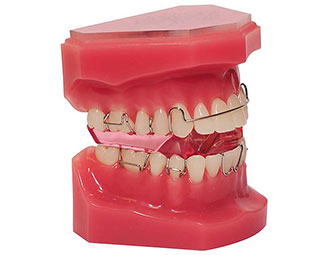
The twin block appliance is typically worn for several months and is removed when the desired results have been achieved. In some cases, the patient may need to wear a retainer to maintain the results of the treatment.
If you or your child is struggling with an under bite, the twin block appliance may be a good option for treatment. Be sure to discuss all of your options with your orthodontist to determine the best course of action for your specific needs.
The twin block orthodontic appliance consists of two plastic blocks - one that fits over the upper molars and the other that fits over the lower bicuspids. These blocks are designed to fit together and promote proper bite alignment between the upper and lower jaws. The clear or pink blocks are made of acrylic and are designed to be worn for a specified period of time, with the goal of retraining the jaw to stay in the proper position permanently.
Used with children and teens
The Twin Block appliance is commonly utilized in growing patients, such as children and teenagers, and is typically followed by braces once removed.
Temporary side effects
Initially, your mouth may produce more saliva in response to the new appliance as it is interpreted as food. This should subside in a few weeks.
Comfortable
The Twin Block appliance offers a more comfortable experience compared to other appliances designed to correct overbites as it features fewer wires. It enables patients to maintain normal eating and speaking habits, and can be worn full-time for 9-12 months despite being removable. The upper arch appliance can also be gradually expanded to widen the upper arch.
Completely removable
The Twin Block appliance is fully removable, allowing you to remove it for activities such as swimming or contact sports. It is recommended to wear the appliance for at least 18 hours a day and always while sleeping to ensure optimal treatment progress.
Easy Maintenance
The removable design of the Twin Block appliance makes it simple to keep clean. Simply remove the appliance once a day to brush it with a regular toothbrush, and rinse it after eating.
Adjustable
Your orthodontist will adjust the twin block appliance on a monthly basis.
Effective Treatment
The twin block appliance typically delivers quick results, leading to a beautifully aligned bite within 9-12 months.
The Reverse Pull Headgear is a crucial aspect of your orthodontic therapy. By helping to move your upper jaw forward as you grow, it is crucial to start this treatment at a young age, potentially avoiding the need for complex jaw surgery in the future. It is important to take this treatment seriously and strictly follow the instructions for optimal results.
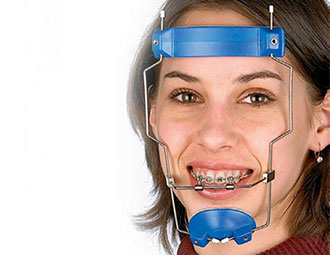
My reverse headgear is irritating the corners of my mouth?
The headgear is connected to two hooks through elastics. You can attach these elastics directly to the headgear or cross them. Crossed elastics will reduce pressure on the mouth corners and decrease irritation, even though it will make the headgear tighter.
Will the Reverse Pull Headgear be Painful?
How Long Does it Take to Get Used to It?
The first few days after wearing the headgear, your teeth may feel sore or tender. It may take a little time to get used to sleeping with the headgear on your face.
What if My Headgear Expander Becomes Loose?
If the bands or expander to which the headgear is attached become loose, discontinue using the reverse pull headgear and contact our office immediately.
How often do I need to wear the reverse pull headgear?
For best results, it is recommended to wear the headgear as often as possible. Its design does not obstruct vision, making it suitable for use while doing homework, watching movies, or playing video games. It should also be worn while sleeping, which is the most important time. Wearing the headgear consistently every day will provide the best orthodontic benefits, and skipping days may cause discomfort and decreased effectiveness. Avoid rough activities while wearing the headgear.
My reverse pull headgear is irritating my chin? What can I do?
To alleviate chin irritation from the reverse pull headgear, make sure the pads on the headgear are clean and dry. If they become dirty or worn, they can be replaced. Additional cushioning between the chin and the headgear may also help (such as a cloth, gauze, or a trimmed shoe insole). If you need more replacement pads, let your orthodontist know.
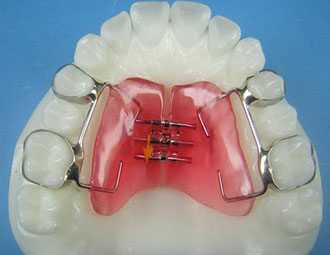
Expanders, also referred to as palatal expanders, are orthodontic appliances placed behind the upper front teeth in the mouth to broaden the jaw during growth. They are usually employed in children when the upper jaw is still maturing and hasn't yet fused with the skull, although they can be used in adults as well.
During the adjustment period, the user may face some challenges in eating and speaking initially. However, these restrictions are temporary and can be managed by avoiding sugary and sticky foods and maintaining the expander's cleanliness.
The tongue crib is a dental appliance designed to address harmful oral habits, specifically among children. It is used to correct tongue thrusting and thumb sucking behaviors that can go unnoticed for a significant amount of time, and that can have lasting consequences if not addressed.
The tongue crib consists of two rings that are positioned inside the mouth, securing it in place and preventing any movement. This also stops the tongue from pressing against the teeth and causing further issues. This appliance is particularly effective in combating tongue thrusting, front tooth protrusion, and reducing the effects of thumb sucking and pacifier use.
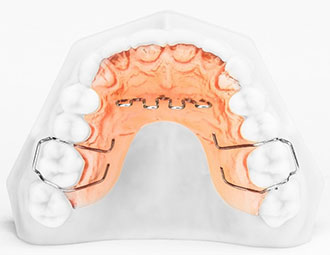
The tongue crib should be worn consistently, attached to the first molars of the jaw. The duration of wear can range from a few months to address the severity of the condition.
Oral screenings assist your youngest patients in breaking bad habits:
- Sucking thumb or finger
- Using a Pacifier
- Breathing with mouth
- Thrusting the tongue
- Lip Sucking
Early intervention, before the deciduous teeth begin to transition to mixed dentition, can aid in the elimination of habitual tendencies before the damage causes serious jaw deformation and permanent dentition.
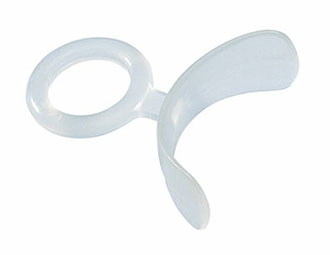
The concept of mini-implants for orthodontic treatment was introduced at the beginning of the 21st century as a cutting-edge method for controlling tooth movements during orthodontic procedures. These implants are widely used by orthodontists globally to treat bite problems that would have otherwise required jaw surgery. Mini-implant techniques are part of orthodontic specialist training and many Indian orthodontists have received postgraduate training in the technique.
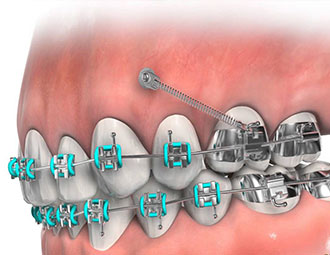
What are Mini-Implants?
Mini-implants are tiny (1.5-2mm wide) screws made of titanium alloy that serve as anchor points in the jaw. They are usually placed between teeth roots but can also be placed in the roof of the mouth. These implants are then attached to a fixed brace to aid in tooth movement.
Is Mini-Implants Painful?
The gum area is numbed with local anesthesia before the mini-implant is gently inserted. You may feel some pressure during the process, but it's painless. Some discomfort may be experienced for the first 24 hours, and about half of patients may take pain relievers for relief. The mini-implants can be easily removed by unwinding them when no longer needed, and the small wound heals painlessly within a few days.
Maintaining Mini-Implants
Mini-implants are typically in place for several months to years, but once inserted, they are not noticeable. It is best to clean around the top of the mini-implant with a small toothbrush and antiseptic mouthwash. Avoid using an electric toothbrush on the mini-implant.