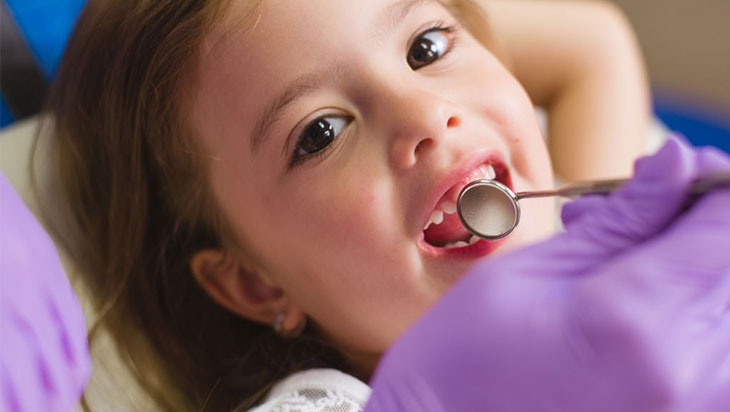
Child Dentistry
Oral health issues can affect children and infants as well. What your kids eat can have an impact on their teeth. Sugars present in sweets, baked goods, candy, milk, and juice and starches in snacks like pretzels and potato chips can lead to tooth decay. The remnants of these foods lead to the growth of bacteria, making it more difficult to clean the baby's and children's teeth.
Healthy baby teeth, also known as deciduous or primary teeth, are crucial to a child's overall health and development, even though they eventually get replaced by permanent teeth.
- Neonatal teeth that develop in the first month of life must be removed through dental hygiene or a visit to the dentist. Cleaning of the first baby tooth that erupts at six months is necessary.
- Children begin to experience teething symptoms between the ages of six months to two years. Teething progress can be eased by massaging the gums, providing a chilled teething ring or cold, wet washcloth, or seeking a teething ointment recommendation from a dentist.
- By the age of three, most baby teeth have emerged, and spaces for permanent teeth start to appear after four years when the jaw, supporting bone structure, and facial bones begin to grow.
- It is normal for a child to have both baby teeth and permanent teeth in their mouth between the ages of six and twelve.
- Cleaning of baby teeth as soon as they appear using a soft washcloth or gauze after each bottle or meal. When more than one tooth erupts, a small-bristled toothbrush can be used, with a pea-sized amount of toothpaste.
- A first dental visit by the age of one to establish a long-term dental hygiene and cleaning plan.
- Use of dental sealants to protect teeth from decay as soon as a tooth erupts.
- Consultation with a dentist to determine the need for fluoride treatments, which play an important role in preventing childhood dental caries.
- Parent-assisted dental flossing should begin when two teeth emerge next to each other, and children should floss on their own when they are able.
- Parent-assisted dental flossing should begin when two teeth emerge next to each other, and children should floss on their own when they are able.
- Orthodontics may be appropriate for children as young as seven years old.
Note that these age ranges are only estimates, and you should follow your dentist's advice.